
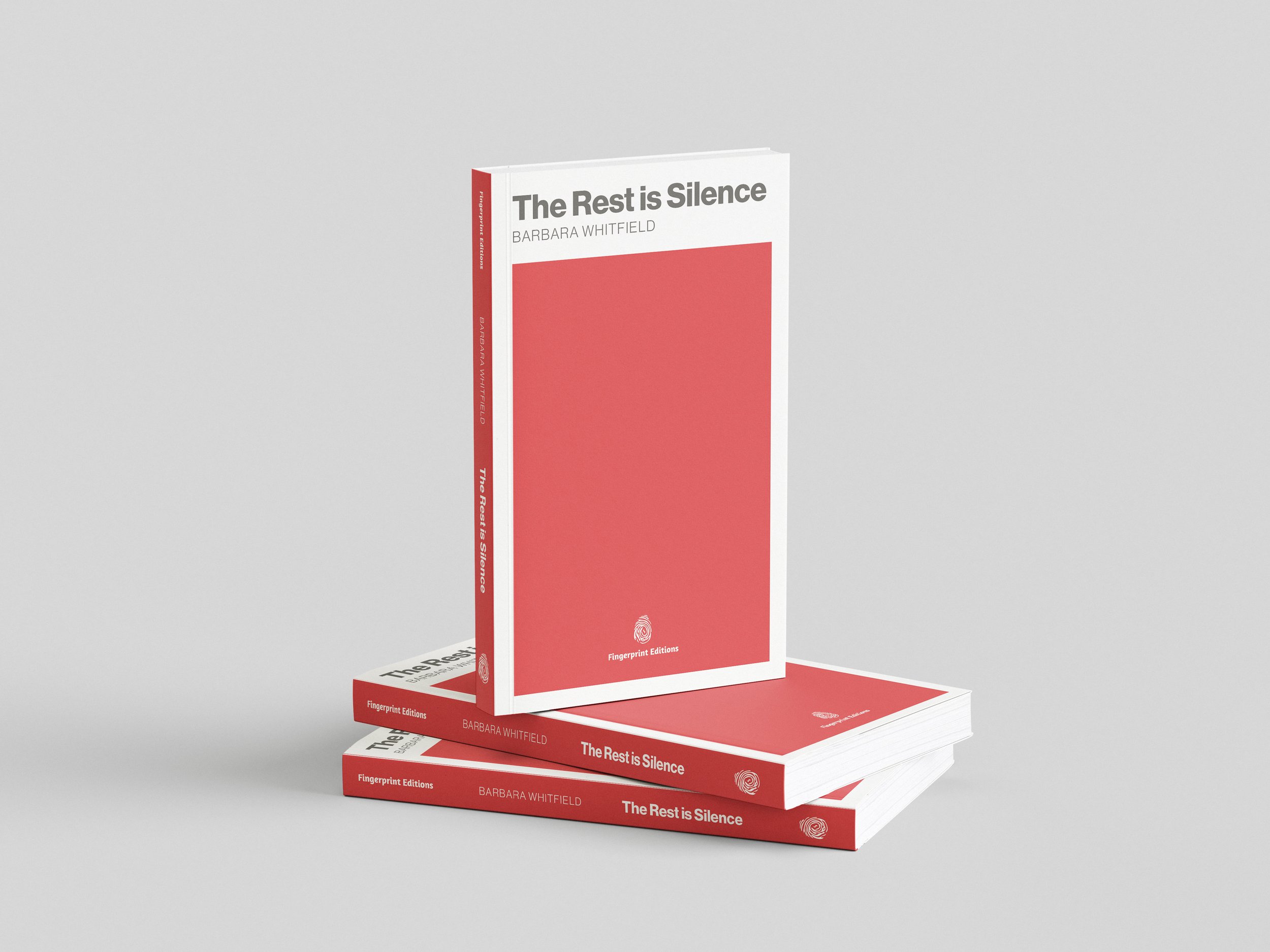
The Rest is Silence
What happened to the most famous missing person in British History
The Rest is Silence follows the story of Muriel Mead, an introspective schoolgirl who disappears from a village lane on the eve of World War II.
Was she a victim or simply a young woman determined to live on her own terms?
Told across companion narratives, The Rest is Silence presents the radically different accounts of two women bound to Muriel by memory, longing, and loss. As each narrator searches for answers, their stories reveal not a neat singular truth but a fractured mosaic—coloured by their own convictions about choice, possibility, and the nature of knowing.
The Rest is Silence offers a thoughtfully crafted meditation about the stories we tell, the silences we keep, and what it means to live out of step with the mainstream..
Choose your format and discover more.
“I read the book in two sittings, and weeks on I’m still thinking about it.”

Mistress Pieces
An exploration of love and madness
Love that refuses to behave. Grief that refuses to be quiet. A mind unraveling — and in the unraveling, a new language for hope.
Mistress Pieces is not a story that asks permission. Framed within a queer love story and drawn from lived experience, this experimental novel invites us to embrace madness to find healing. Choose your format.
‘It took hold of me, drew me in, sent shockwaves through me, wouldn’t let me go.’ Mel Corrigan, Writer

Dark Star
Dark Star is a first novel of impressive calibre (Time Magazine, 1929)
Born under a dark star, Nancy Pringle, never knew her father’s identity, and was abandoned by her mother. The novel follows Nancy as she navigates adolescence and adulthood, while encountering society’s marginalised in her search both for her father and her self. Choose your format and discover more.
“It is the inside of a woman written from the inside” Glenda Norquay